Property due diligence in NSW: the key searches developers should do before buying land
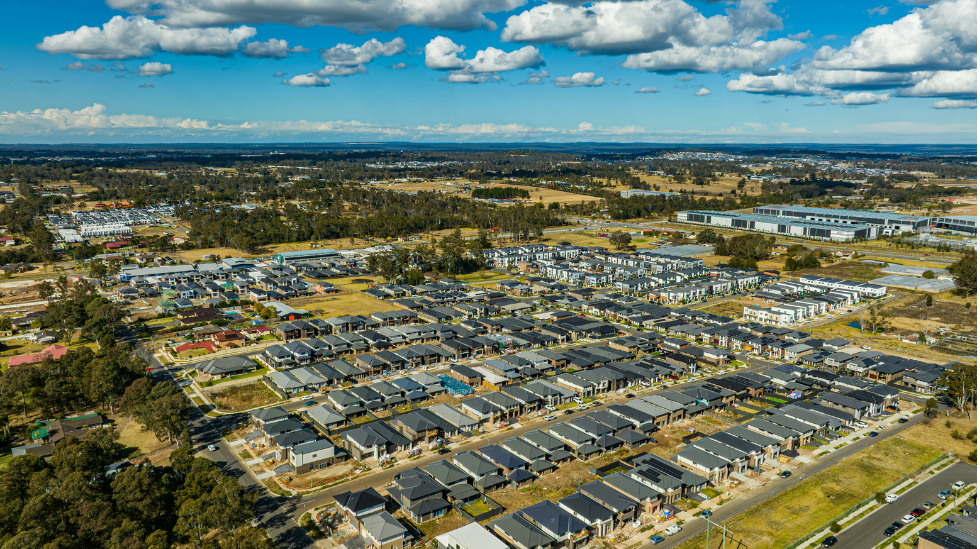
Developing land in New South Wales involves more than identifying a suitable location. Before committing to a purchase, developers need to conduct a thorough property search and due diligence to understand the legal, planning, and environmental factors that may affect a project’s feasibility.
Why due diligence matters
Skipping proper research can lead to costly surprises after settlement. Developers may discover zoning restrictions that limit building height, easements that affect construction, or environmental constraints that delay approvals.
Conducting the right searches helps developers:
- Confirm that the land can be used for their intended project
- Identify planning controls and zoning restrictions
- Avoid unexpected legal or environmental issues
- Make more informed financial and investment decisions
Before purchasing land, developers should review several key property and planning documents to better understand the site’s constraints and development potential. Here are four important searches that can provide critical insights when assessing a development site.
- Title Search
A title search confirms the legal ownership of the land and identifies any restrictions or interests attached to the property. This may include easements, covenants, mortgages, or rights of way that could impact how the land can be used or developed.
Reviewing the title ensures there are no legal limitations that could interfere with construction or subdivision plans.
- Deposited Plan
A deposited plan provides a detailed map of the property boundaries and layout of the land. It shows lot dimensions, subdivision details, and the relationship between neighbouring properties.
For developers, this information is critical when assessing site constraints, access points, and potential subdivision opportunities.
- Planning Certificate (Section 10.7)
A Section 10.7 planning certificate outlines the planning controls that apply to the property under local council regulations. This includes zoning, land use permissions, heritage restrictions, and environmental considerations.
Understanding these planning controls helps developers determine whether their proposed project aligns with local development regulations.
- Environmental and Flood Searches
Environmental factors can significantly impact development. Searches may reveal whether the land is located within a flood zone, bushfire-prone area, or environmentally sensitive site.

Identifying these risks early helps developers assess potential construction limitations, insurance requirements, and approval conditions.
Accessing reliable property and planning data is essential when assessing development potential. Our platform, Fynd, provides streamlined access to important documents such as title searches, deposited plans, and planning certificates, helping developers quickly gather the information needed to make informed decisions before purchasing land.